Where Do No See Ums Come From? Three Distances, One Clock
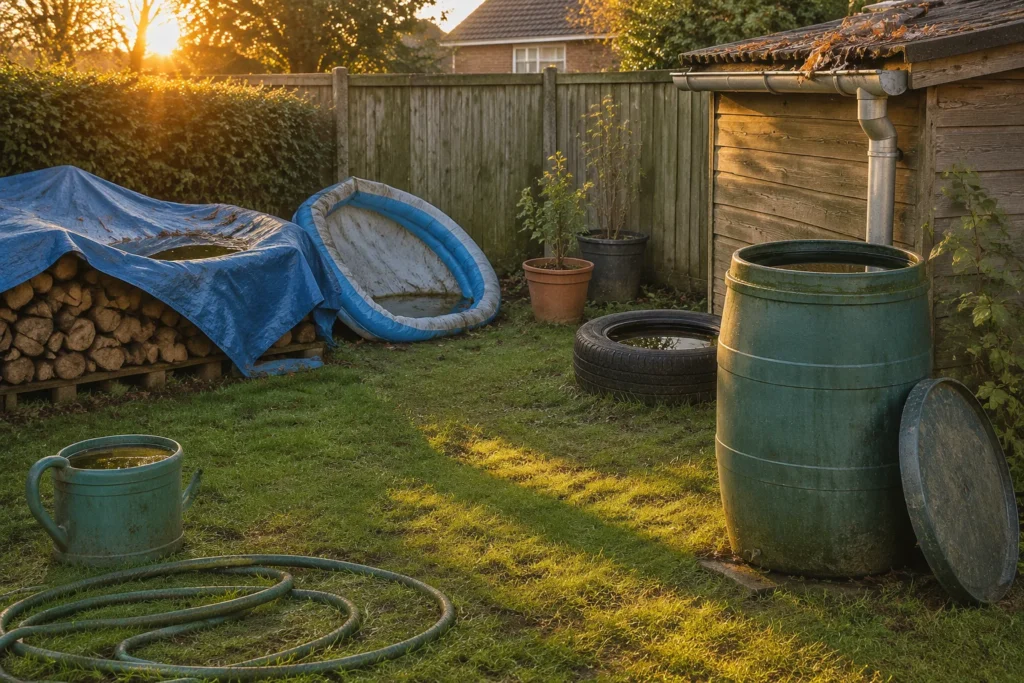
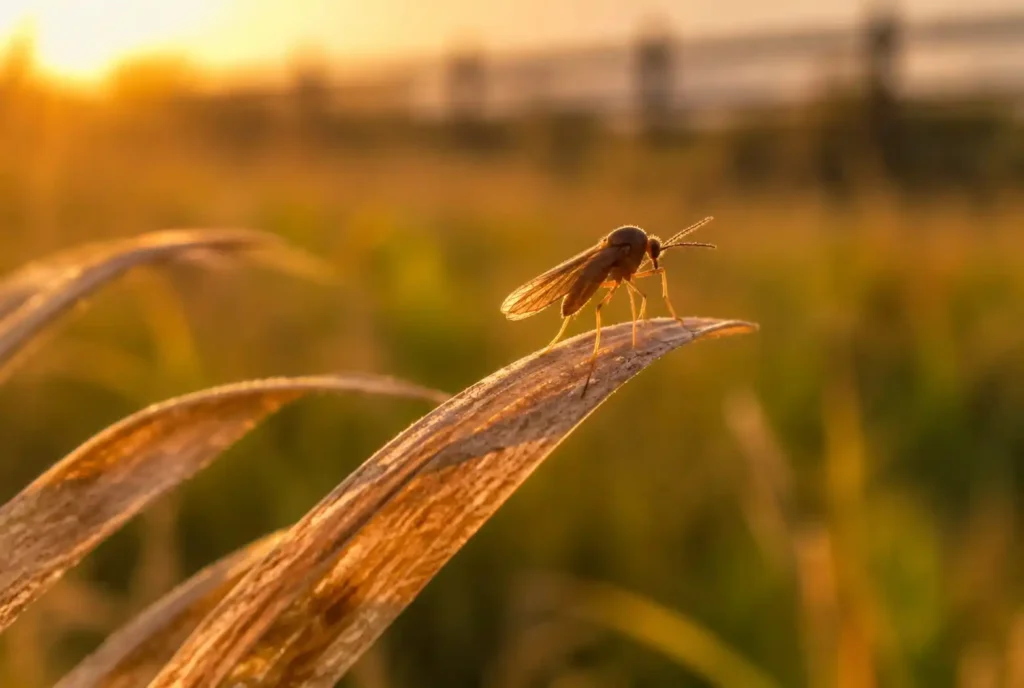
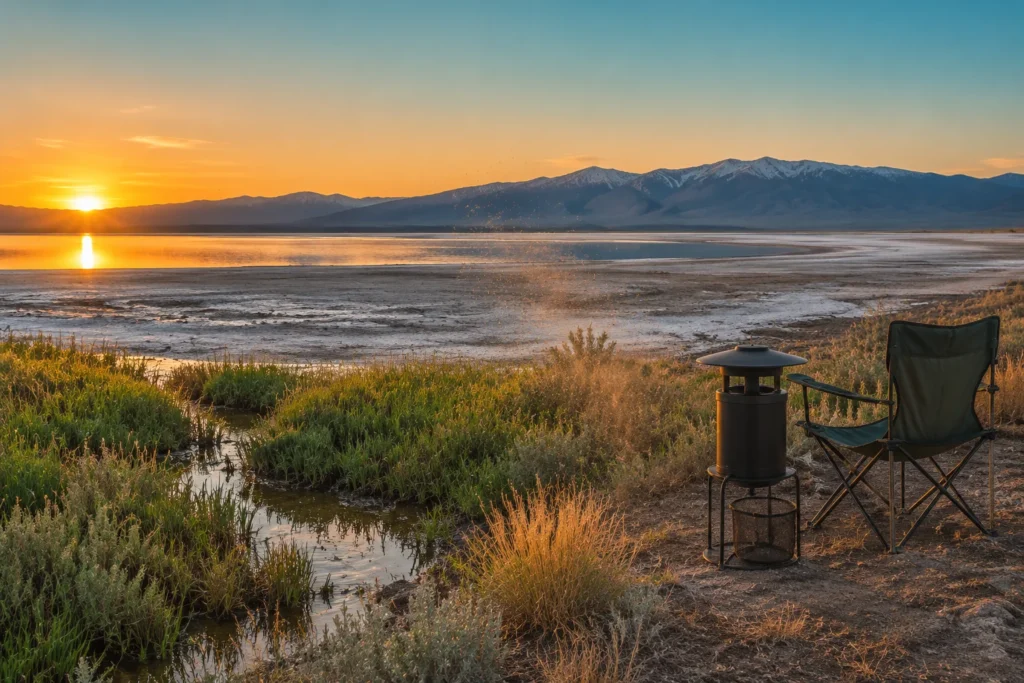
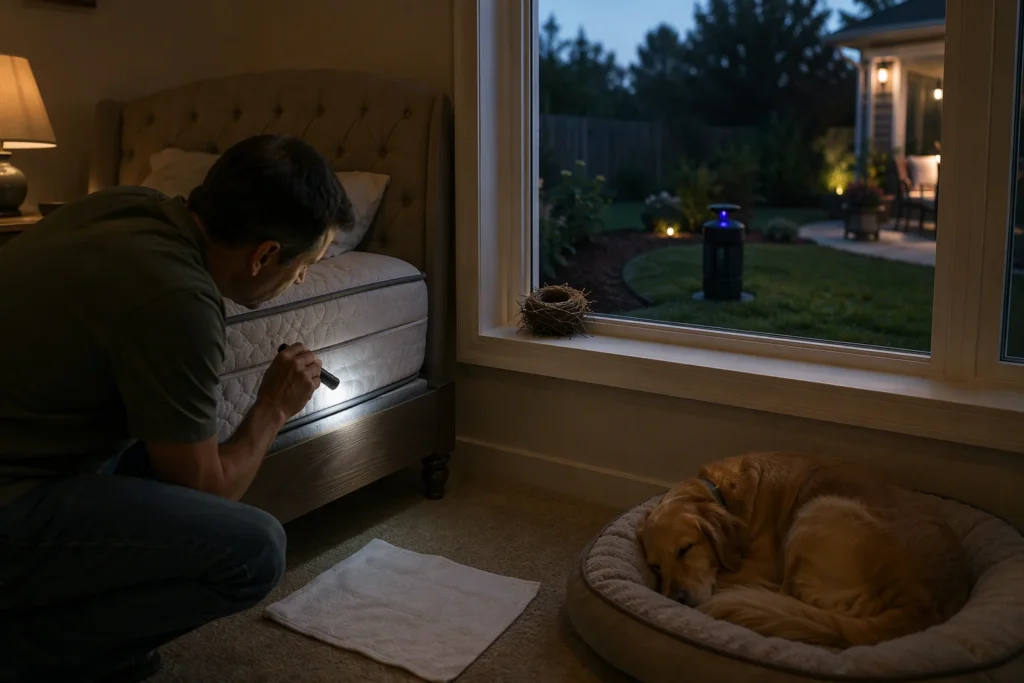
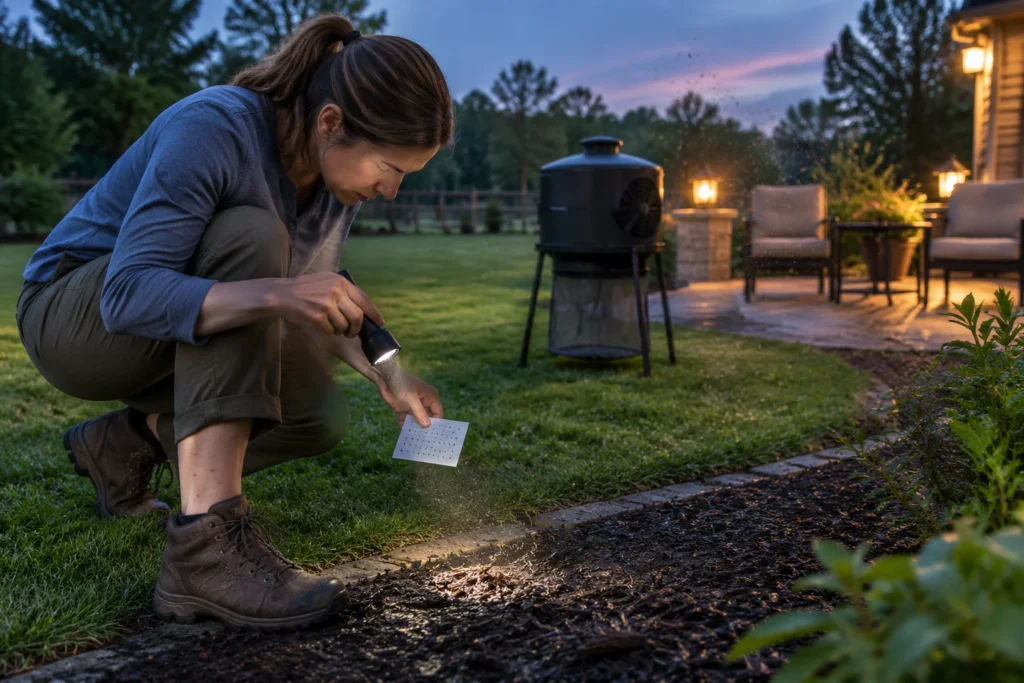
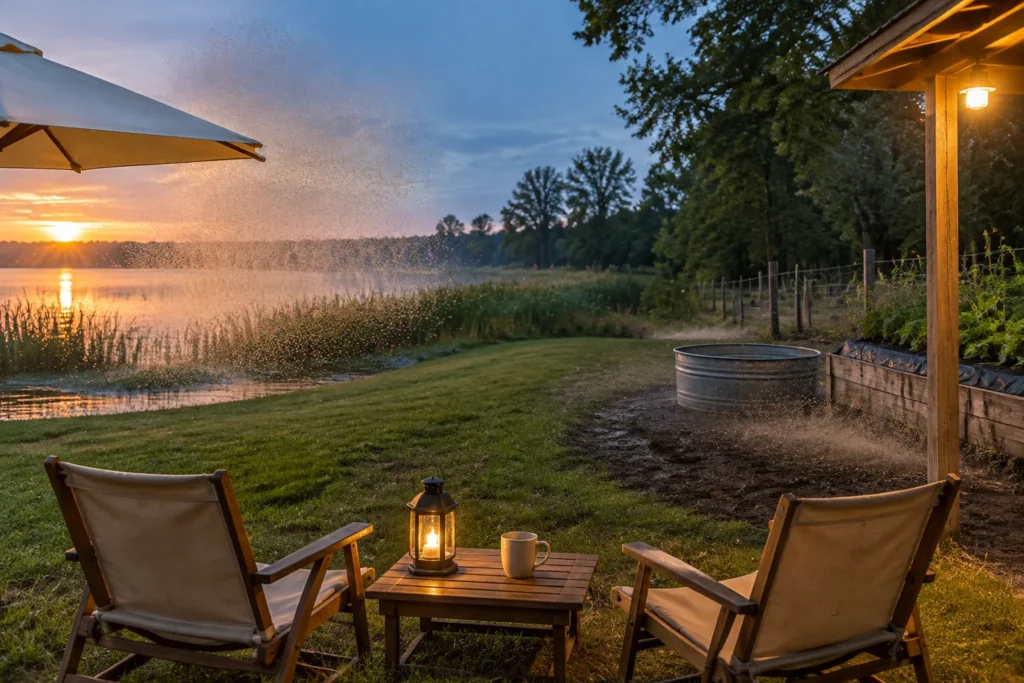
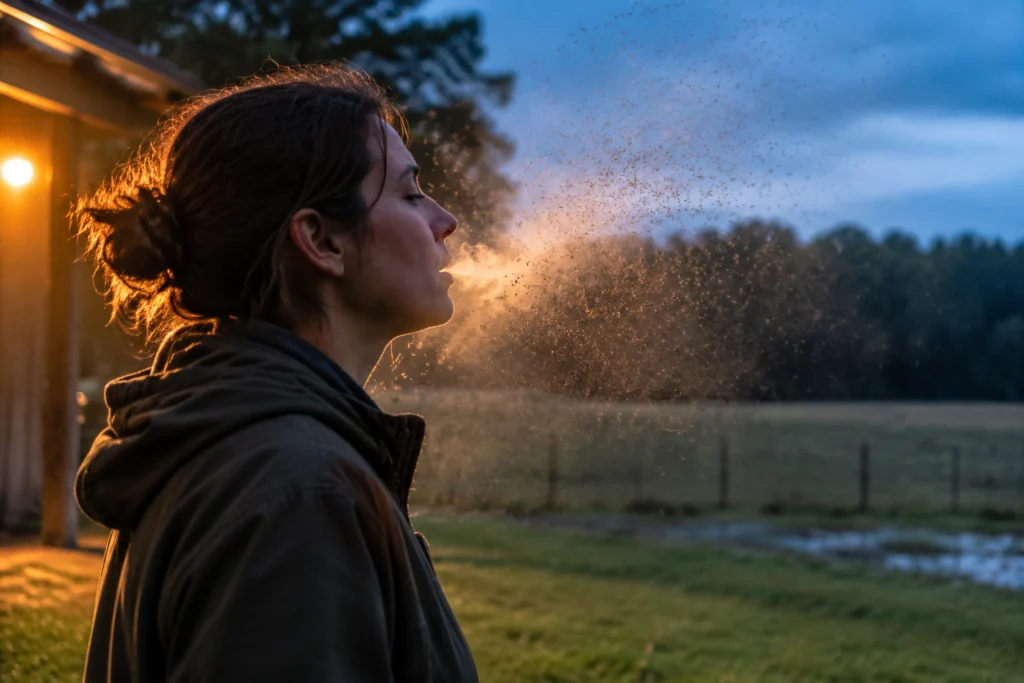
Where do no see ums come from is a question about distance and time, not about puddles. This page works the published numbers: the damp organic film within a few metres that produced most of the bites, the mark-release-recapture studies that put the mean distance travelled by recaptured females at 2.21 km with nothing beyond 2.5 km, the 1,750 metres one Dutch midge covered upwind in under a day, and the wind that carries the rest. It adds the clock most advice omits, because dormant egg banks and 16-day development mean this week’s cloud came from weather you no longer remember. Then a six-step routine to work back from the bite, the California experiment that removed the presumed source and changed nothing, and where a carbon dioxide suction trap rated to 4,000 square metres fits once the source is off your own ground.